How SaaS Founders Can Build a Lead Generation System with Apollo and ChatGPT
SaaS founders often split their time between building the product and finding customers. This simple Apollo and ChatGPT workflow helps you define your market, find matching prospects, qualify them, and build a lead generation process you can repeat every week.
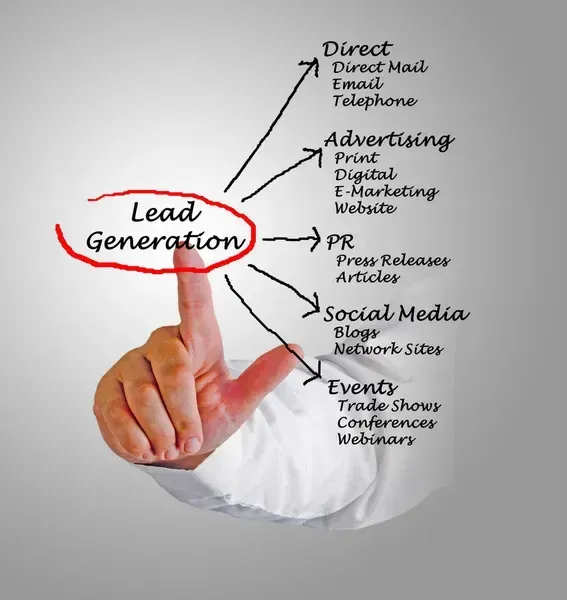
How SaaS founders can build a lead generation system with Apollo and ChatGPT
Most early SaaS founders have one of two problems.
They are building the product.
Or they are desperately trying to find someone to sell it to.
Somehow, they are expected to do both.
If I were setting up lead generation for a new SaaS product, this is one of the simplest workflows I would build first. It uses Apollo to find potential customers and ChatGPT to help research, qualify, and organize them.
The goal is not to build one large contact list. The goal is to create a process you can run every week.
Step 1: Define who you want to reach
Do not open Apollo and start collecting random contacts.
Write down your ideal customer first:
- What industry are they in?
- How large is the company?
- Which country or city are you targeting?
- What job title is most likely to own the problem?
- What situation makes the company need your product now?
For example, a SaaS founder selling an AI customer support tool might target customer support leaders at ecommerce companies with 20 to 200 employees in the UAE and Saudi Arabia.
That is specific enough to test. You can always change it after speaking with the market.
Step 2: Build the search in Apollo
Create your Apollo account, then use the People or Companies search.
Apply filters that match your ideal customer profile. Apollo supports filters such as job title, location, company size, industry, seniority, and company attributes.
Start small. A focused list of 50 relevant people is more useful than 5,000 contacts who have little reason to care about your product.
Save the search or create a reusable persona. This keeps you from rebuilding the same filters every week.
Your first list does not need to be perfect. It needs to be good enough for you to contact people, learn from the replies, and improve the filters.
Step 3: Connect Apollo to ChatGPT
Apollo provides an official ChatGPT integration through ChatGPT Apps. Connect it by opening ChatGPT settings, going to Apps, selecting Apollo, and signing in to your Apollo account.
The integration is currently in beta, so its features and pricing may change.
Once connected, you can ask ChatGPT to work with your Apollo data inside the conversation. You can also export a smaller Apollo list to CSV and upload it to ChatGPT if that better suits your setup.
Try a prompt like this:
Find customer support leaders at ecommerce companies with 20 to 200 employees in the UAE and Saudi Arabia.
For each prospect, return:
- name and role
- company
- location
- why the company may need an AI support tool
- one useful personalization angle
Rank the prospects by fit. Do not write outreach messages yet.
This separates lead selection from message writing. You first decide who is worth contacting. Then you create the message.
Step 4: Qualify and segment the list
AI can help you research prospects, but you still need a simple qualification rule.
Score each person using three questions:
- Does the company match your target market?
- Does this person own or influence the problem?
- Is there a visible reason to contact them now?
Put the strongest matches in your first group. Keep possible matches in a second group. Remove obvious poor fits.
You can also segment the list by industry, company size, location, role, or use case. This makes your outreach more relevant because each group receives a message connected to its actual situation.
Step 5: Research before writing the message
The hardest part of outbound is often staring at a blank message and thinking, "What the hell do I say?"
Do not ask AI to invent fake personalization.
Ask it to find something useful:
- a relevant company announcement
- a role-specific problem
- a product or service the company already offers
- a reason your solution may fit its current stage
Then check the information before using it.
Your message should explain why you chose this person, what problem you may be able to solve, and what small next step you want them to take.
Step 6: Contact people and record what happens
You can reach qualified prospects through LinkedIn, email, or a phone call when appropriate contact information is available.
Start with a small batch. Watch what happens:
- Who replies?
- Which job titles understand the problem?
- Which industries show interest?
- Which messages get ignored?
- What objections keep appearing?
Use those answers to improve your Apollo filters, qualification rules, and messaging.
Also respect local privacy, outreach, and opt-out requirements. A better list does not give you permission to send careless messages.
Turn it into a weekly system
Your repeatable workflow should look like this:
- Review your ideal customer profile.
- Run or refresh the Apollo search.
- Ask ChatGPT to research and rank the prospects.
- Manually verify the strongest leads.
- Write messages for each segment.
- Contact a small batch.
- Record replies, meetings, and objections.
- Update the search using what you learned.
That is the difference between collecting contacts and building lead generation.
You are creating a system that becomes more accurate each time you run it.
Start building your prospect list with Apollo.
Follow me and comment GUIDE. I will show you exactly how to connect Apollo with ChatGPT and build the first workflow.
Sources
Stay ahead of the curve
Join my private newsletter for exclusive insights, tools, and thoughts straight to your inbox. No spam, just value.